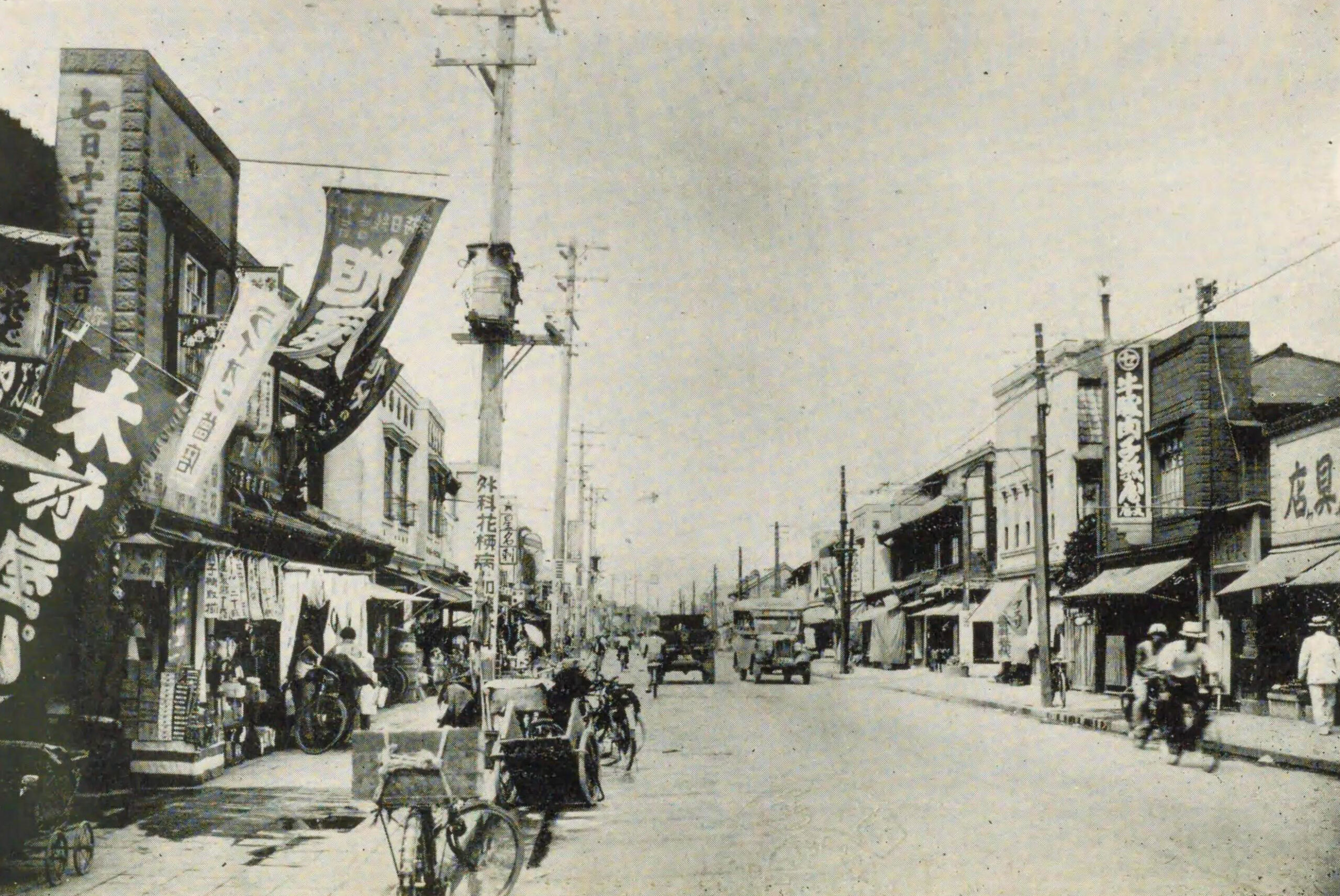
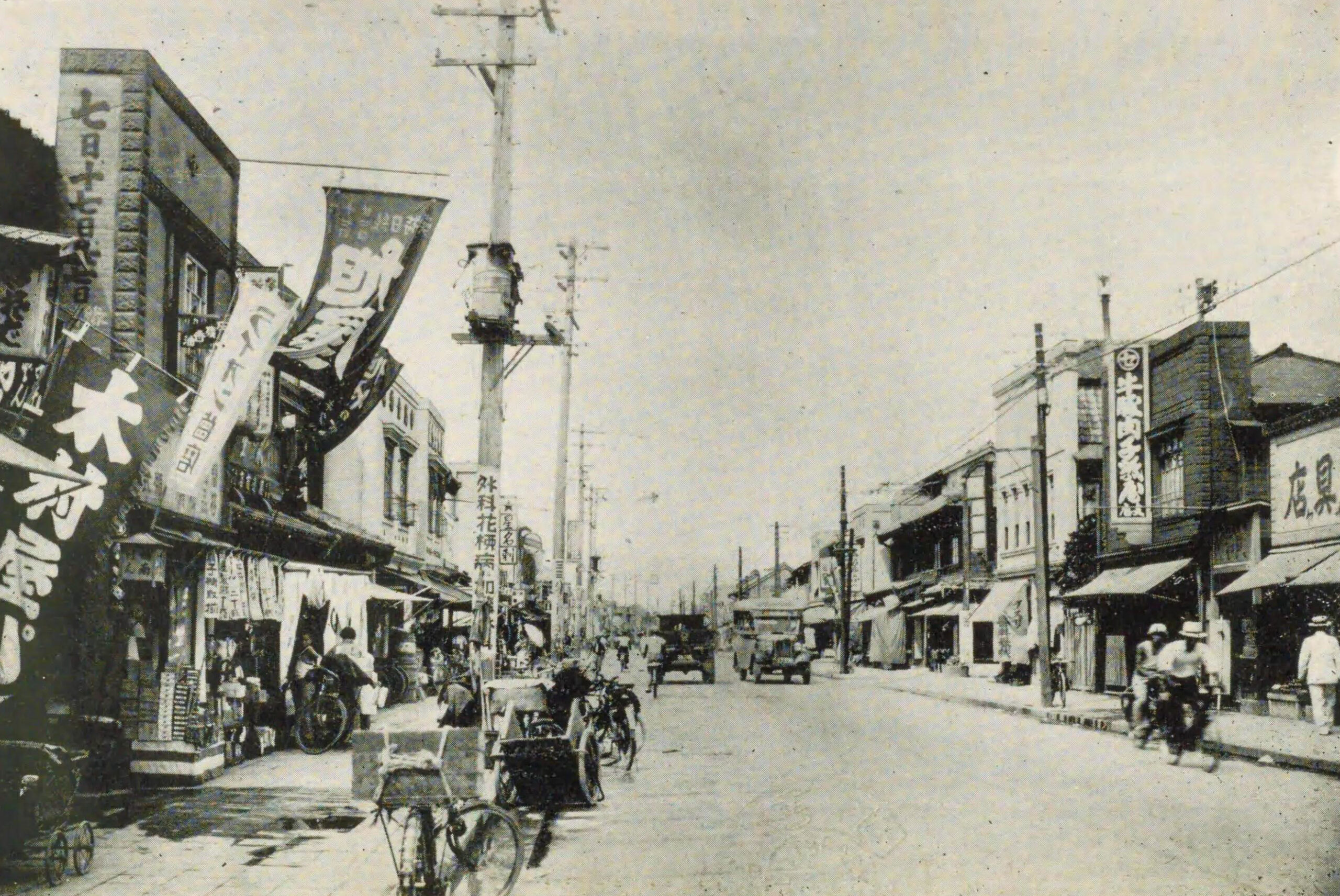
Source: 東京市葛飾区編『葛飾区史』(東京市葛飾区, 1936年).

Main Venue: Old Kobayashi Pharmacy
1-20-9 Tateishi, Katsushika, Tokyo
Term I 27 January-1 February 2026
Term II 17-23 February 2026
Term III Late March (TBA)
The sum of the necessary labor and the surplus labor, or the sum of the periods of time in which the worker replaces the value of his labor-power and produces the surplus value, constitutes the absolute magnitude of his labor-time, i.e., the working day.
(Karl Marx, Das Kapital: Kritik der politischen Ökonomie, Bd. I, Dritter Abschnitt, in Karl Marx-Friedrich Engels Werke, ed. Institut für Marxismus-Leninismus beim Zentralkomitee der SED (Berlin, DDR: Dietz Verlag, 1974 [1867]), S. 244.)
I usually worked overtime from five-thirty in the evening until eight, and then headed to the club office. When I arrived there, a crowd of young people had already gathered, printing materials for things like travel groups, haiku gatherings, and reading circles. I joined them—helping with the printing and taking part in meetings—and before I knew it, it was already midnight. I hurried to catch the red train home, went to bed around one-thirty, and the next morning I was shaken awake again at five-thirty.
(Masao Sugiura, ed., Senjichu Insatsu Rodosha no Tatakai no Kiroku (Tokyo: Shuppanko Kurabu, 1964), 72-73.)
Synopsis
In twentieth-century Japan, the development of the manufacturing industry in downtown Tokyo accelerated the nation’s economic growth and helped fuel the pursuit of material abundance among the general populace in consumer society. As desires for economic prosperity swelled in society at large, however, factory workers in the downtown area nurtured alternative cultures of their own—cultures that cannot be measured by the yardstick of material wealth. This project highlights the unique cultures of industrial workers and their families, who struggled through their everyday realities on the fringes of commodity-saturated society.
More production, more profits. Throughout modern and contemporary history, factory labor has been driven by an economic principle of excess, an unwavering pursuit of “more.” Yet the economic language of mass production and profit maximization alone cannot fully explain the lived realities of factory workers. By focusing on the everyday cultures that sprang up in the “margins” of factory labor, this project illuminates alternative visions of work, life, and culture from historical perspectives.
The Culture of Monozukuri
What does monozukuri mean? This research-based art project explores the culture of monozukuri (craftsmanship and manufacturing) in modern and contemporary Japan by focusing on the social history of machikoba (small local factories) in the Katsushika area of downtown Tokyo. Based on detailed research into the life histories of manufacturing workers and their families, our experimental programs illuminate the “human dimensions” embedded in the everyday labor of monozukuri through a variety of artistic practices.
Throughout the twentieth century, the manufacturing industry in the Katsushika area developed around small-scale factories. Since the last decade of the twentieth century, when the term monozukuri came to be widely used as a new expression referring to manufacturing craftsmanship, the production skills and techniques cultivated at the workshops of machikoba in downtown Tokyo have drawn renewed attention. Consequently, a series of policy measures and initiatives have been introduced to promote these skills and techniques and to ensure their transmission to future generations. Yet, while the expertise of monozukuri has come to be reappraised, the life and culture of factory workers who supported the growth of the manufacturing industry have not received sufficient attention.
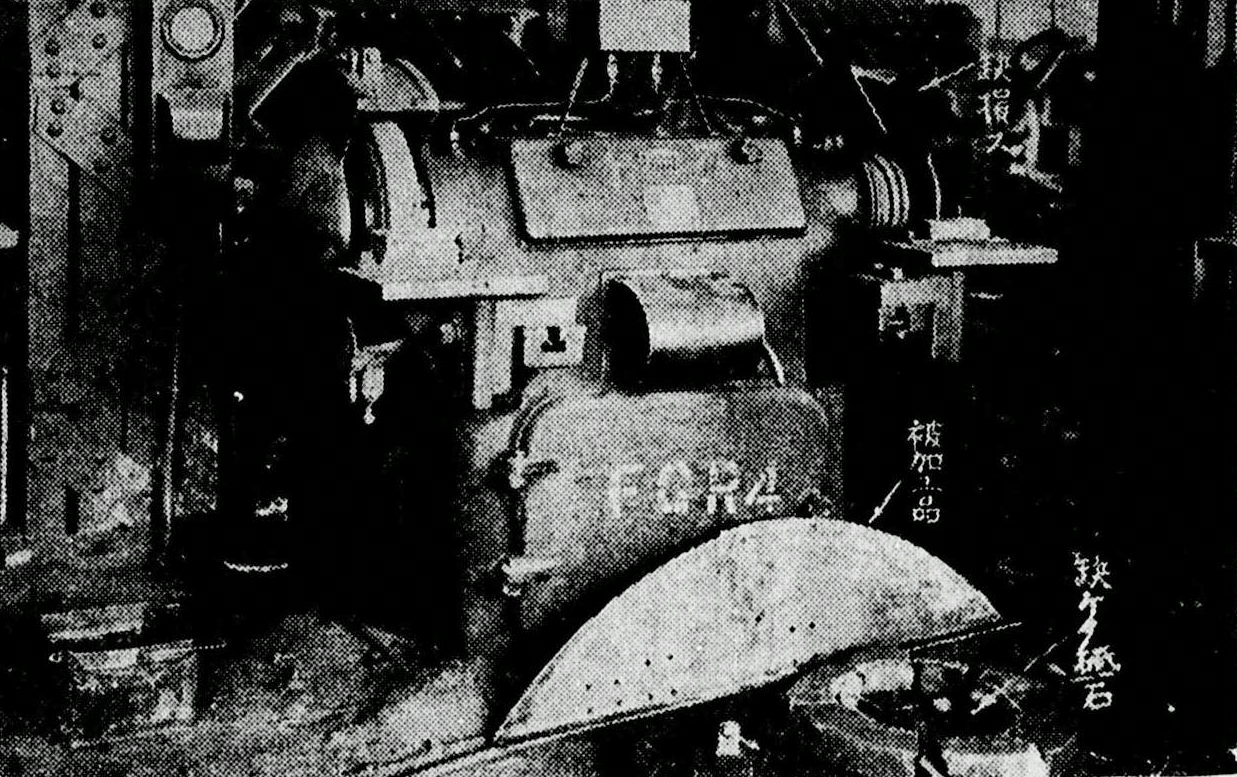
Source: 警視庁工場課編『工場安全教本』(東京工場協会, 1940年).
What has monozukuri meant in the everyday life and culture of downtown Tokyo? The project highlights not only the skills and techniques that developed in factories but also the people who sustained them through their strenuous labor. Drawing on the lived experiences of those who worked in and around manufacturing and related fields, our research initiative offers a perspective that situates monozukuri as part of the life histories of industrial workers and their families. Since the modern era, diverse groups of people have continuously flowed into the Katsushika area. While working at machikoba workshops, they have helped shape a rich variety of cultural practices in downtown Tokyo. By shifting focus from the things made to the people who made them, this project reframes our understanding of monozukuri within the cultural genealogy of downtown Tokyo.
The Japanese term monozukuri implies the primordial human act of “making (zukuri) things (mono),” a universal practice that has continued since the earliest stages of human history. Tracing the history of machikoba in the Katsushika area, this project illustrates the ways in which diverse forms of culture have emerged from the everyday practice of monozukuri.

“Site-Specificity” in Artistic Practice
While deciphering the living histories of downtown Tokyo, this project examines the question of “site-specificity” in artistic practice as a major issue of contemporary art theory.
In recent years, local art festivals in Japan have increasingly featured artworks that take the host area’s nature, history, and culture as their central themes. Yet what does it truly mean to be “site-specific” in artistic practice? By conducting research into everyday culture at various sites in downtown Tokyo, this project sheds critical light on the close entanglement between artistic expression and site-specificity.
The question of site-specificity extends beyond existing discussions of so-called site-specific art. Connected to the specificity of the site in which it is exhibited, every artwork acquires a unique meaning that can arise only in that place. Even the same artwork takes on different meanings and interpretations when it is exhibited in different locations. Certain conditions specific to each site, such as its natural environment, social circumstances, and historical background, influence the meanings and interpretations of the artwork. The site-responsivity thus characterizes the relationship between art and place. By focusing on the theoretical questions of “site,” this project pursues experimental inquiries into the aesthetic possibilities and ethical obligations of site-specific artistic practice.
Source: 東京市葛飾区編『葛飾区史』(東京市葛飾区, 1936年).
Main Venue: Old Kobayashi Pharmacy
1-20-9 Tateishi, Katsushika, Tokyo
Term I 27 January-1 February 2026
Term II 17-23 February 2026
Term III Late March (TBA)
The sum of the necessary labor and the surplus labor, or the sum of the periods of time in which the worker replaces the value of his labor-power and produces the surplus value, constitutes the absolute magnitude of his labor-time, i.e., the working day.
(Karl Marx, Das Kapital: Kritik der politischen Ökonomie, Bd. I, Dritter Abschnitt, in Karl Marx-Friedrich Engels Werke, ed. Institut für Marxismus-Leninismus beim Zentralkomitee der SED (Berlin, DDR: Dietz Verlag, 1974 [1867]), S. 244.)
I usually worked overtime from five-thirty in the evening until eight, and then headed to the club office. When I arrived there, a crowd of young people had already gathered, printing materials for things like travel groups, haiku gatherings, and reading circles. I joined them—helping with the printing and taking part in meetings—and before I knew it, it was already midnight. I hurried to catch the red train home, went to bed around one-thirty, and the next morning I was shaken awake again at five-thirty.
(Masao Sugiura, ed., Senjichu Insatsu Rodosha no Tatakai no Kiroku (Tokyo: Shuppanko Kurabu, 1964), 72-73.)
Synopsis
In twentieth-century Japan, the development of the manufacturing industry in downtown Tokyo accelerated the nation’s economic growth and helped fuel the pursuit of material abundance among the general populace in consumer society. As desires for economic prosperity swelled in society at large, however, factory workers in the downtown area nurtured alternative cultures of their own—cultures that cannot be measured by the yardstick of material wealth. This project highlights the unique cultures of industrial workers and their families, who struggled through their everyday realities on the fringes of commodity-saturated society.
More production, more profits. Throughout modern and contemporary history, factory labor has been driven by an economic principle of excess, an unwavering pursuit of “more.” Yet the economic language of mass production and profit maximization alone cannot fully explain the lived realities of factory workers. By focusing on the everyday cultures that sprang up in the “margins” of factory labor, this project illuminates alternative visions of work, life, and culture from historical perspectives.
The Culture of Monozukuri
What does monozukuri mean? This research-based art project explores the culture of monozukuri (craftsmanship and manufacturing) in modern and contemporary Japan by focusing on the social history of machikoba (small local factories) in the Katsushika area of downtown Tokyo. Based on detailed research into the life histories of manufacturing workers and their families, our experimental programs illuminate the “human dimensions” embedded in the everyday labor of monozukuri through a variety of artistic practices.
Throughout the twentieth century, the manufacturing industry in the Katsushika area developed around small-scale factories. Since the last decade of the twentieth century, when the term monozukuri came to be widely used as a new expression referring to manufacturing craftsmanship, the production skills and techniques cultivated at the workshops of machikoba in downtown Tokyo have drawn renewed attention. Consequently, a series of policy measures and initiatives have been introduced to promote these skills and techniques and to ensure their transmission to future generations. Yet, while the expertise of monozukuri has come to be reappraised, the life and culture of factory workers who supported the growth of the manufacturing industry have not received sufficient attention.
Source: 警視庁工場課編『工場安全教本』(東京工場協会, 1940年).
What has monozukuri meant in the everyday life and culture of downtown Tokyo? The project highlights not only the skills and techniques that developed in factories but also the people who sustained them through their strenuous labor. Drawing on the lived experiences of those who worked in and around manufacturing and related fields, our research initiative offers a perspective that situates monozukuri as part of the life histories of industrial workers and their families. Since the modern era, diverse groups of people have continuously flowed into the Katsushika area. While working at machikoba workshops, they have helped shape a rich variety of cultural practices in downtown Tokyo. By shifting focus from the things made to the people who made them, this project reframes our understanding of monozukuri within the cultural genealogy of downtown Tokyo.
The Japanese term monozukuri implies the primordial human act of “making (zukuri) things (mono),” a universal practice that has continued since the earliest stages of human history. Tracing the history of machikoba in the Katsushika area, this project illustrates the ways in which diverse forms of culture have emerged from the everyday practice of monozukuri.
“Site-Specificity” in Artistic Practice
While deciphering the living histories of downtown Tokyo, this project examines the question of “site-specificity” in artistic practice as a major issue of contemporary art theory.
In recent years, local art festivals in Japan have increasingly featured artworks that take the host area’s nature, history, and culture as their central themes. Yet what does it truly mean to be “site-specific” in artistic practice? By conducting research into everyday culture at various sites in downtown Tokyo, this project sheds critical light on the close entanglement between artistic expression and site-specificity.
The question of site-specificity extends beyond existing discussions of so-called site-specific art. Connected to the specificity of the site in which it is exhibited, every artwork acquires a unique meaning that can arise only in that place. Even the same artwork takes on different meanings and interpretations when it is exhibited in different locations. Certain conditions specific to each site, such as its natural environment, social circumstances, and historical background, influence the meanings and interpretations of the artwork. The site-responsivity thus characterizes the relationship between art and place. By focusing on the theoretical questions of “site,” this project pursues experimental inquiries into the aesthetic possibilities and ethical obligations of site-specific artistic practice.
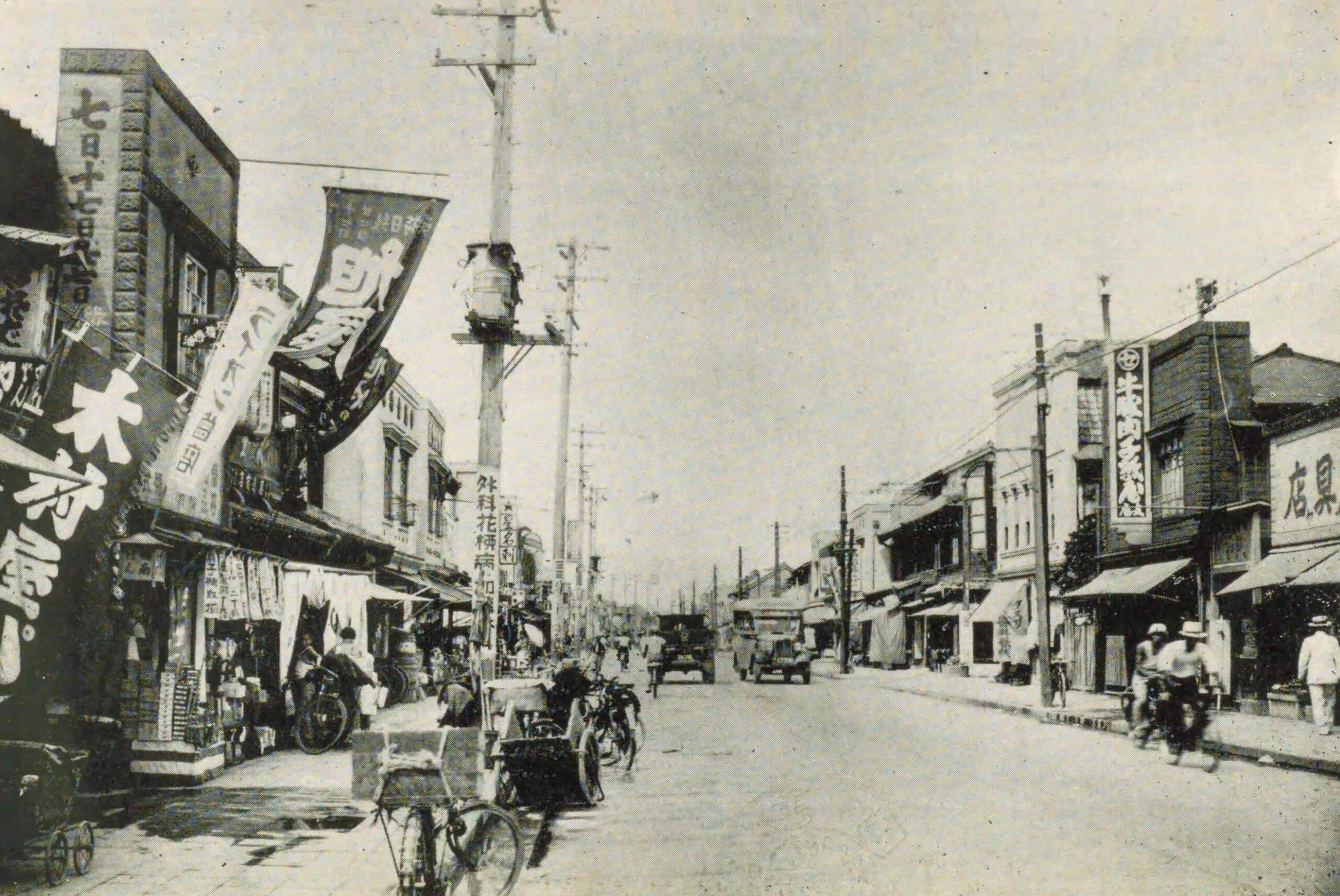
Source: 東京市葛飾区編『葛飾区史』(東京市葛飾区, 1936年).
Main Venue: Old Kobayashi Pharmacy
1-20-9 Tateishi, Katsushika, Tokyo
Term I 27 January-1 February 2026
Term II 17-23 February 2026
Term III Late March (TBA)
The sum of the necessary labor and the surplus labor, or the sum of the periods of time in which the worker replaces the value of his labor-power and produces the surplus value, constitutes the absolute magnitude of his labor-time, i.e., the working day.
(Karl Marx, Das Kapital: Kritik der politischen Ökonomie, Bd. I, Dritter Abschnitt, in Karl Marx-Friedrich Engels Werke, ed. Institut für Marxismus-Leninismus beim Zentralkomitee der SED (Berlin, DDR: Dietz Verlag, 1974 [1867]), S. 244.)
I usually worked overtime from five-thirty in the evening until eight, and then headed to the club office. When I arrived there, a crowd of young people had already gathered, printing materials for things like travel groups, haiku gatherings, and reading circles. I joined them—helping with the printing and taking part in meetings—and before I knew it, it was already midnight. I hurried to catch the red train home, went to bed around one-thirty, and the next morning I was shaken awake again at five-thirty.
(Masao Sugiura, ed., Senjichu Insatsu Rodosha no Tatakai no Kiroku (Tokyo: Shuppanko Kurabu, 1964), 72-73.)
Synopsis
In twentieth-century Japan, the development of the manufacturing industry in downtown Tokyo accelerated the nation’s economic growth and helped fuel the pursuit of material abundance among the general populace in consumer society. As desires for economic prosperity swelled in society at large, however, factory workers in the downtown area nurtured alternative cultures of their own—cultures that cannot be measured by the yardstick of material wealth. This project highlights the unique cultures of industrial workers and their families, who struggled through their everyday realities on the fringes of commodity-saturated society.
More production, more profits. Throughout modern and contemporary history, factory labor has been driven by an economic principle of excess, an unwavering pursuit of “more.” Yet the economic language of mass production and profit maximization alone cannot fully explain the lived realities of factory workers. By focusing on the everyday cultures that sprang up in the “margins” of factory labor, this project illuminates alternative visions of work, life, and culture from historical perspectives.
The Culture of Monozukuri
What does monozukuri mean? This research-based art project explores the culture of monozukuri (craftsmanship and manufacturing) in modern and contemporary Japan by focusing on the social history of machikoba (small local factories) in the Katsushika area of downtown Tokyo. Based on detailed research into the life histories of manufacturing workers and their families, our experimental programs illuminate the “human dimensions” embedded in the everyday labor of monozukuri through a variety of artistic practices.
Throughout the twentieth century, the manufacturing industry in the Katsushika area developed around small-scale factories. Since the last decade of the twentieth century, when the term monozukuri came to be widely used as a new expression referring to manufacturing craftsmanship, the production skills and techniques cultivated at the workshops of machikoba in downtown Tokyo have drawn renewed attention. Consequently, a series of policy measures and initiatives have been introduced to promote these skills and techniques and to ensure their transmission to future generations. Yet, while the expertise of monozukuri has come to be reappraised, the life and culture of factory workers who supported the growth of the manufacturing industry have not received sufficient attention.
Source: 警視庁工場課編『工場安全教本』(東京工場協会, 1940年).
What has monozukuri meant in the everyday life and culture of downtown Tokyo? The project highlights not only the skills and techniques that developed in factories but also the people who sustained them through their strenuous labor. Drawing on the lived experiences of those who worked in and around manufacturing and related fields, our research initiative offers a perspective that situates monozukuri as part of the life histories of industrial workers and their families. Since the modern era, diverse groups of people have continuously flowed into the Katsushika area. While working at machikoba workshops, they have helped shape a rich variety of cultural practices in downtown Tokyo. By shifting focus from the things made to the people who made them, this project reframes our understanding of monozukuri within the cultural genealogy of downtown Tokyo.
The Japanese term monozukuri implies the primordial human act of “making (zukuri) things (mono),” a universal practice that has continued since the earliest stages of human history. Tracing the history of machikoba in the Katsushika area, this project illustrates the ways in which diverse forms of culture have emerged from the everyday practice of monozukuri.
“Site-Specificity” in Artistic Practice
While deciphering the living histories of downtown Tokyo, this project examines the question of “site-specificity” in artistic practice as a major issue of contemporary art theory.
In recent years, local art festivals in Japan have increasingly featured artworks that take the host area’s nature, history, and culture as their central themes. Yet what does it truly mean to be “site-specific” in artistic practice? By conducting research into everyday culture at various sites in downtown Tokyo, this project sheds critical light on the close entanglement between artistic expression and site-specificity.
The question of site-specificity extends beyond existing discussions of so-called site-specific art. Connected to the specificity of the site in which it is exhibited, every artwork acquires a unique meaning that can arise only in that place. Even the same artwork takes on different meanings and interpretations when it is exhibited in different locations. Certain conditions specific to each site, such as its natural environment, social circumstances, and historical background, influence the meanings and interpretations of the artwork. The site-responsivity thus characterizes the relationship between art and place. By focusing on the theoretical questions of “site,” this project pursues experimental inquiries into the aesthetic possibilities and ethical obligations of site-specific artistic practice.